
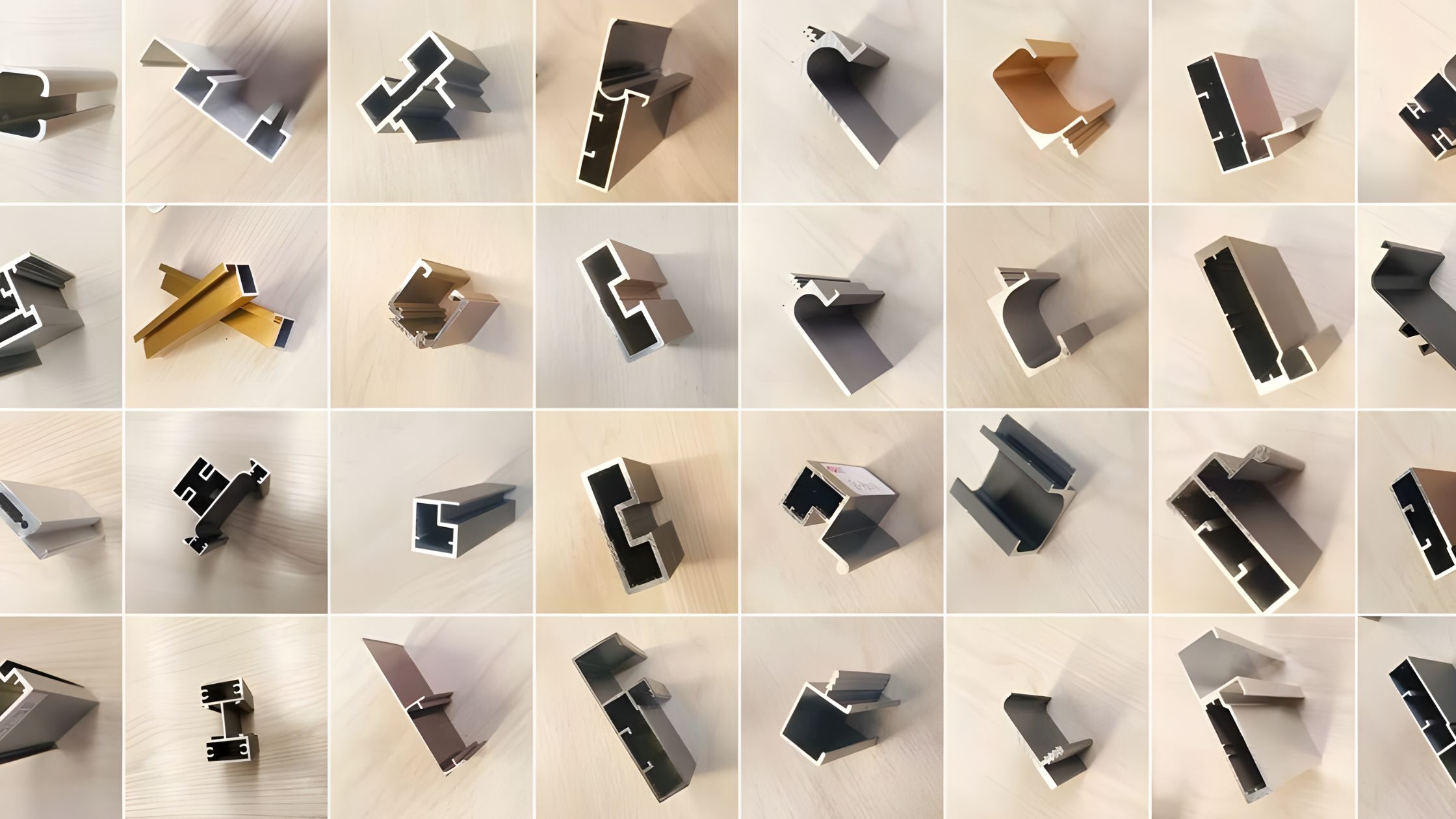
Types of Aluminium Profiles for Cabinet Doors and Glass Partitions: A Complete Technical Guide
Aluminium profiles play a crucial structural and aesthetic role in modern interiors. Whether used in modular kitchen shutters, wardrobes, or glass office partitions, the right aluminium section determines durability, load-bearing capacity, and overall finish quality. Many homeowners search for the types of aluminium profiles for cabinet doors without understanding that profile thickness, section depth, and finish treatment significantly affect performance.
This guide explains the different types of aluminium profiles used in cabinet doors and glass partitions, along with technical specifications, finishes, compatibility with glass thickness, and practical selection advice.
What Are Aluminium Profiles in Cabinet Doors and Partitions?
Aluminium profiles are engineered frame sections manufactured through extrusion. These sections are designed to hold materials such as 4 mm or 5 mm toughened glass, laminated glass panels, acrylic sheets, or MDF boards. Unlike wooden frames, aluminium profiles resist moisture, do not warp, and maintain alignment over long periods.
Depending on application, cabinet aluminium profiles typically range between 18 mm to 35 mm in visible frame width, while partition profiles may range from 25 mm to 50 mm for higher structural stability.
Types of Aluminium Profiles for Cabinet Doors
Slim Frame Aluminium Cabinet Profiles
Slim frame aluminium profiles are widely used in modular kitchens and contemporary wardrobes. These profiles usually feature a visible width between 18 mm and 22 mm and are designed to support 4 mm toughened glass or acrylic panels.
They provide a minimal look and work well for upper kitchen cabinets and small wardrobe shutters. However, they are not recommended for very large panels exceeding 3 feet in height without reinforcement.
Heavy-Duty Aluminium Cabinet Profiles
Heavy-duty profiles use thicker aluminium sections, typically between 28 mm and 35 mm. These are suitable for tall wardrobe shutters, sliding wardrobe doors, and cabinet panels that use 5 mm toughened glass or laminated panels.
The added thickness improves rigidity and reduces frame flexing over time. For glass safety considerations in such applications, refer to this guide on glass safety in shower enclosures.
Handle-Integrated Aluminium Profiles
Handle-integrated systems incorporate a grip channel within the aluminium frame. These profiles are engineered to eliminate separate handles, offering a seamless look. They are commonly used in premium modular kitchens and require precision hinge alignment for smooth operation.
Edge Wrap Aluminium Profiles
Edge wrap profiles frame only the perimeter of the panel. They are often used with high-gloss acrylic boards or lacquered glass panels. Because the visible aluminium is minimal, these profiles enhance a clean design aesthetic.
Concealed Frame Aluminium Systems
Concealed aluminium profile systems hide most of the metal section behind the shutter panel. These are typically used in luxury interiors where flush surfaces are desired. They require professional installation and accurate measurements.
Types of Aluminium Profiles for Glass Partitions
U-Channel Aluminium Profiles
U-channel profiles are widely used in semi-frameless glass partitions. They hold glass panels at the top and bottom while maintaining visual openness. Standard U-channel depth varies between 25 mm and 40 mm depending on glass thickness.
To understand how such glass systems function in professional environments, read this article on glass partitions in offices.
Bottom Track Sliding Profiles
Bottom track aluminium profiles are used in sliding glass partition systems. They support the weight of moving glass panels and must be aligned properly to prevent misalignment over time.
Structural Aluminium Partition Sections
Structural aluminium sections are heavy-duty extrusions designed for large glass panels. These profiles are commonly used in commercial cabins and large residential partitions. They can support thicker laminated glass panels for added safety.
Aluminium Profile Finishes Available
Aluminium profiles are available in several finishes that affect durability and visual appeal:
- Anodized aluminium finish for corrosion resistance
- Powder-coated finish in matte black, white, grey, or custom colours
- Brushed aluminium finish for a metallic texture
- Champagne gold and bronze finishes for premium interiors
Powder-coated finishes are generally preferred for kitchen and wardrobe applications due to better scratch resistance.
Glass Compatibility with Aluminium Profiles
Cabinet aluminium profiles usually support 4 mm toughened glass. Heavy-duty profiles can support 5 mm glass or laminated panels. Partition systems often use 8 mm to 12 mm toughened glass depending on height.
If you are selecting window systems that combine aluminium and glass, this guide on types of windows for homes explains how frame strength and glass thickness work together.
Comparison Table: Cabinet vs Partition Aluminium Profiles
| Feature | Cabinet Profiles | Partition Profiles |
|---|---|---|
| Frame Width | 18 mm to 35 mm | 25 mm to 50 mm |
| Glass Thickness Support | 4 mm to 5 mm | 8 mm to 12 mm |
| Load Capacity | Moderate | High |
| Finish Options | Anodized and powder coated | Anodized, powder coated |
| Primary Use | Kitchen and wardrobe shutters | Cabins and glass partitions |
Common Mistakes When Choosing Aluminium Profiles
Using slim cabinet profiles for tall shutters can lead to bending over time. Ignoring glass thickness compatibility can cause hinge stress. Selecting finish based only on appearance rather than durability can reduce lifespan.
Conclusion
Understanding the types of aluminium profiles for cabinet doors and glass partitions requires more than visual comparison. Profile thickness, glass compatibility, structural requirements, and finish quality all influence long-term performance.
Choosing the right aluminium section ensures durability, safety, and a refined interior finish that aligns with modern design expectations.

Ankit Singh is a content writer and interior solutions specialist at Lumora, based in Indore. He writes about glass solutions, window systems, interior design, and architectural materials with a focus on helping homeowners and professionals make informed decisions. With hands-on exposure to residential and commercial glass projects across Indore, Ankit covers topics including toughened glass, UPVC windows, aluminium systems, glass railings, partitions, and modern interior design trends. His writing combines practical field knowledge with clear, accessible explanations for readers at every stage of their project.